本月扯两句构图中的一个简单原则:1/3规则 - 找G点。
先说明一句:本人拍片时间随久,读书却甚少,连1/3规则还是几年前跟一个电影学院的老师聊天才第一次听到。
当初受邀前超级乌鸦嘴现阿宽之约写些东西时,本感惶恐,还是决定无知者无畏一把。在交稿之际突然看到色坛五十人的大作,叹为仰止。
地面有丘,丘边成岭,岭外遍山,走远点儿还有喜马拉雅和珠穆朗玛。今天写的东西,都是个人地面进入丘陵的粗浅体会。大家读了,有看法尽可充分表达,同意也好反对也罢。
有人发问了:啥1/3规则?有人回答了:无聊了不是。
网上看看,铺天盖地地控诉着1/3规则如何约束创造力等等等等,英文网站尤甚。
老帮菜亚当斯也不甘寂寞:“拍照之前考虑构图规则如同走步之前要想着地心引力。”
他老人家还补充道:“要我说,照片构图的规则即无关也无效还无聊”。
开山老祖发话了,影版于是充斥着随心所欲的“艺术创造”,有人点评两句构图,不屑地摇摇头:“艺术无原则。”
林副主席说过:谁谁谁的话,一句话顶一万句。哦,搞错了,到了色版得哼色版的曲儿:一具画顶一万句 - a picture worth a thousand words。
那咱来看两张亚当斯最著名的画《月出》和《MOON AND HALF DOME》


什么人呢,这么糟蹋大师的作品,切了个乱七八糟。
急了不是,想看看原作,那得去博物馆!想偷懒儿就劳您大驾把鼠标放在画面上(下同)。
浏览器要是不支持onMouseOver和onMouseOut,那你就该考虑换电脑了。
现在知道什么是1/3规则了吧。就是横着两条,竖着两条,单打独斗也好,联合掐架也罢,反正是用来规范照片性趣点的。咳,又错了,兴趣点。
也有懒洋洋躺着的,“斜倚画屏思往事”,就是这个模样。

“1/3 rule”是最为常用的说法。但自由惯了,觉得规则俩字太独裁,决定改为 guideline - 称1/3指引吧。
谷歌搜一下,发现还真没这么叫的,都称1/3 rule,我还真他妈有点儿小聪明。
什么叫指引?用手指头来引导而已,找G点,俗称性趣点。唐代吕岩《西江月》词之二曾曰:“若遇高人指引,都来不费功程。”
1/3指引也是这个意思。对一个新手来说,先把它当作一个高人不妨,让自己至少先从0长到1/3高度。从那儿再长1/3,67分就及格了不是。
记得超级乌鸦嘴还是palmdodo提出写这个系列的建议时,搜索日记说了句:“结果就是发现任何网站的代表做都soso,不如本网站的某某人照的好,全世界最好的大师原来在WXC”
为了印证此观点,就先拿自己的一张片子为例,说明WXC还真有“大适”1/3指引的。
每天早晨到办公室后第一件事是去冲一杯苦咖啡,纯黑的,不要钱吗。
那天碰上了阳光从对面高楼反射过来照到杯子上,对,就上面刚看到那个。
兜里掏出iPhone(要相信谚语:手边的相机才是最好的相机),人围着桌子转,iPhone跟着手腕转,1/3分钟后找到了满意的角度。
什么呢?就是斜线构图,然后将背影,不对,是杯影放在1/3处,完了。
顺便说一句,这张片子曾在以前贴的iFun系列里出现过,不少人喜欢。从另一个角度说明,缺少的不是美,是发现。缺少的也不是器材,而是锲而不舍。
前半句开始还以为是自己想出来的,网上一查,原来是罗丹说的:“美到处都有。对于我们的眼睛来说,缺少的不是美,而是发现 ...”。靠,这有哲理的话怎么都给别人先说了。
好吧,想不出更多哲理咱就从了大师,再学习学习。
亚当斯的《月出》有两个最重要的视觉点 - 月亮和浮云。
浮云正好漂在下1/3线上!
他老人家也许不屑思索构图规则,因为很多规则已经烂熟于心。
走路之前不用想着地心引力是因为学走路时无穷多跟头摔出来的经验,并不是说地心引力因为你会走路就不存在了。
每个人都想飞,千百年下来无视引力定律试图飞起来而摔死的不知多少。
《Moon and Half Dome》的1/3指引很粗很暴力,月亮就在1/3竖面分割线上,左面的阴影也基本结束与此。
比较有意思的地方出现在右下角1/3处,在这里阴影线的转弯形成了另一个视觉中心,充分平衡了整个画面。
老人如此,新人也不例外。
Galen Rowell的书大概是我第一本正正经经读过的摄影著作。风卷残云过石隙,一看就在脑子里曝了光,变成了底片。

初看过去,此片似乎是中心构图。但那只是垂直方向。在水平方面,1/3界限分明。
摄影师在攀岩的过程中还能遵循指引,1/3指引在Galen那里已经变成了“引力”,它在那里,它又不在。
Galen另一张很有气势的片子应该是摆拍的,就更有从容的时间,从容的1/3站位。

这两张片子还有一个共同点:高光点都在1/3处,或者说亮点都被1/3了。我想后者应该是Galen的本意吧。
在更新的新人中,我们也可以找到同样的例子,来张大画幅:Pentax 645 by Hark Lee。同样,亮点被1/3。

风景如此,那纪实呢?
“Love involves a peculiar unfathomable combination of understanding and misunderstanding. ” - Diane Aubus
研究过几张Diane很著名的找片子,包括她后期120拍的《中央公园拿玩具手榴弹的小孩儿》方块儿照,1/3痕迹明显。
这里选的另一张应该是早期她还在用尼康135时候拍的颗粒比较粗的照片,夫人的头,最亮的色块,唯一的实焦,都在1/3处碰头。

Robert Frank应该属于不太遵守规矩的那种,“My photographs are not planned or composed in advance...”
但这并不妨碍照片中出现1/3要素,沿斜线延伸出去的视觉聚焦点最终也是落在1/3之处。

如果说Robert Frank属于不守规矩的,那么我们应该期望Henri Cartie-Bresson给我们讲讲什么是规矩,虽然他也是个抓拍者。
“To take photographs means to recognize - simultaneously and within a fraction of a second - both the fact itself and the rigorous organization of visually perceived forms that give it meaning.” 在几分之一秒内认知出故事事实和用以阐述故事意义的严格的视觉形式的安排。
这需要多训练有素!果然不负众望,又一个“斜倚画屏思往事”。。。

如果说Robert Frank是人们认为他拍的东西不符合那以前的审美习惯,所以算不守规矩的话,那么William Klein是不屑守规矩。
“我是一个外来者,对摄影的规矩不感兴趣”
“做你自己。我更喜欢拍些看起来不像别人作品的东西,即使他们看起来很拙朴愚笨”。
出于这样一个摄影家之手,他作品里的1/3点多于你的想象,或许也多于Robert自己的想象。潜意识做了他的主。


看完大师,回头再来看一幅本坛子上MichaelIC前俩月贴出来的片子。很多人叫好,本人也吼了一嗓子。

但如果仔细研究一下,这张片子的构图仍然可以商榷。大家可以先看看,再搬搬鼠标游戏一会儿。
没有原片,不知剪裁过没有。但根据1/3指引,画面上方应该再多出一些空间。
如此小河尽头的视觉焦点会落在1/3点略下,画面左边的房子在1/3线略上,画面会显得更为舒展,而现在的片子则略显压抑。
按本人的理解,本片想要表达的气氛是随意惬意而不是压抑。
好了,讲了如此之多,就是想说一句话:规则不重要,G点重要。
喂喂,别乱想。G = Center的C加一条1/3的线,帮你寻找性趣点。
一般来说画面中很多东西都会自然地引出一个兴趣点,比如斜线,曲线,三角、高光点等等,但不是所有图像里都有如此自然的几何形状或兴趣点。没有的时候1/3指引给你一个搜寻兴趣点的方法;有的时候1/3也可以指引你将其中的兴趣点安排在合适的位置,使画面看起来更加赏心悦目,如此而已。
所以说1/3是个无名英雄,太多的人得了便宜还卖乖,这不好。
最后,如果你的1/3指引已经了熟于心,那就该迈下一步了。规则是用来打破的,送一张违背规矩的。

这是一张靠大面积留白来强调主题的片子,也是我喜欢的另一类构图。
以前不知道因为看书足够少,去年在罗马闲逛突然悟出来,用小DC拍过一组《罗马的天空》练手,体会很深:主题本身经常就是个框框,构图也一样。它会强迫你去割舍,最终找到至少你认为是性趣点的地方。
如果你找对了,让读者达到高潮,你就成功了。
好了,先说这些,以后有机会再和大家共同探讨。。。
~~~~~~~~~~~~~~
附:【月末画廊】前期照
发这个帖子,原本是我嘴贱。--- 几天前坛子里有个别群众对翰斋兄的"大师集"评三道四。翰斋兄大度之余却也不免有些唏嘘。这些大师介绍我每篇必看,受教良多。万一断顿,终归是个遗憾。于是在规劝翰斋兄努力为继的同时,就刮噪能不能弄个月经贴,大家放些当代作品互相传阅交流下,好的看看好在哪里如何借鉴,差的总结下问题在哪儿怎么避免。毕竟一个时代,设备、技法类似,心急的同学就可以照葫芦画瓢先操练起来。翰斋兄的"看比练重要"说在点子上---器材使用和技法通过书籍教材总能弄个大概,意境和审美倒是没几本书能折腾明白。多看点好的作品,回头再看大师的,可能又多了一份体会和受益。鄙人小学本科,打个粗陋比方:Mcdo/PizzaHut这些重口味快餐吃多了,偶尔吃顿精致菜肴不免觉得大师傅没舍得放盐,清水漱漱口,或者喝两顿稀饭,回过来再尝佳肴,妙处才会出来。如果这个帖子能起到漱口水或者稀饭的作用,那就足以宽慰了。
既然嘴贱,这头一贴我也得硬着头皮上。大家口味各不相同,为了皆大欢喜,我就弄了个很俗气的"杂烩贴"---分了风景,肖像,静物,纪实四类(运动,野生动物,微距什么的确实不懂,就不殆笑大方了),这四俗每类3张。也图个热闹。图片来源自一些摄影网站(Flickr为主),作为作者的国际友人们也都还健在。重申下,发这个主要目的是交流讨论,大家觉得哪些好,哪些一般,哪些很差,一定请说出来。不然像小时候澡堂里听老师傅吼京剧段子,大家云里雾里出于礼貌喊声"好",反倒辜负这帖子的初衷了。器材方面如果没有什么和拍摄技法相关的,我就不累述了,省得器材帮的长老们莫名其妙的性奋起来。
如果哪位感兴趣接下个帖子,请和"超级乌鸦嘴"老兄联系。最好一月一贴(哈哈,这话怎么这么别扭),主要时间相对充裕,再者不会太过占用论坛资源。毕竟这里以原创作品交流为主。我们转贴已经有"牛皮癣"的嫌疑,千万不要太招人恨。:)
这事多亏乌鸦兄热心张罗,这里再次感谢!!!
欢迎大家拍砖指正。
====================================================================
风景:
1.

Mike Stacey---澳大利亚
基本是风景照里"极简"的好样本。
2.
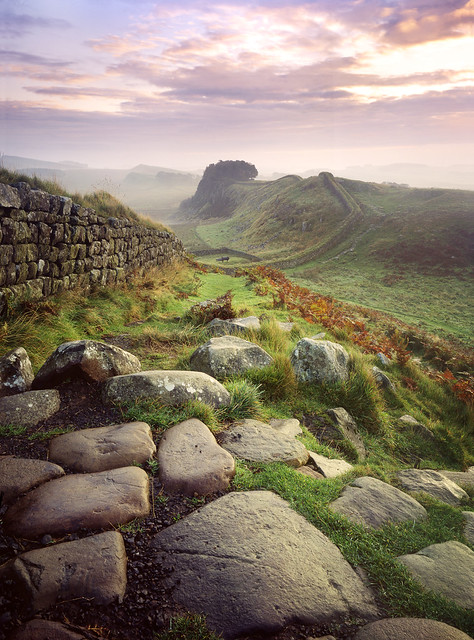
Ben Heaven---英国
这幅照片有俩技术,一是用了技术相机上的Scheimpflug pricipal来增大景深(国内叫沙姆定律,没听说的同学们可以通过百度Google一下,这也是移轴镜头的主要功能之一)。二是用渐变滤镜来控制画面反差,我个人对数字HDR不是很感冒,主要觉得处理后的画面色调很脏,滤镜来的要自然的多。
3.

Harry Kaufmann---德国
信不信由你,照片里是上海。对比虽然是老生常谈,但是这里确实带来的内在的冲击力。
肖像:
1.

Katie Cooke---苏格兰
这张轮廓刻画得很好。据说是1/8s手持拍摄。
2.
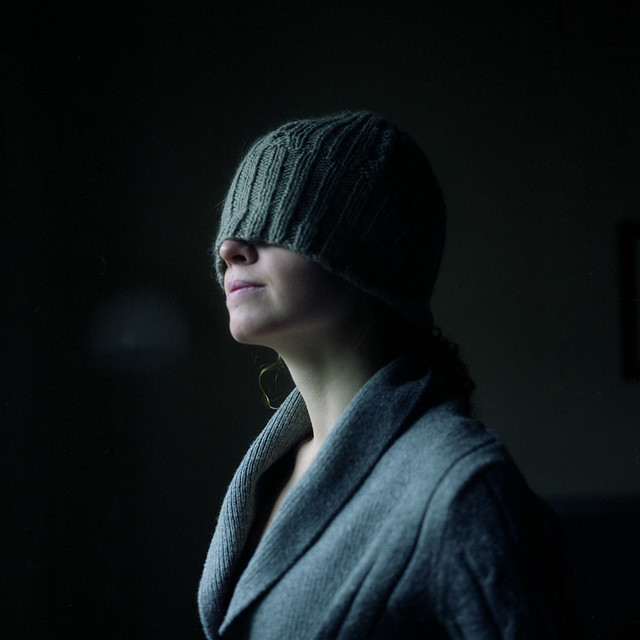
Andrés Lázaro(Flickr ID)
3.
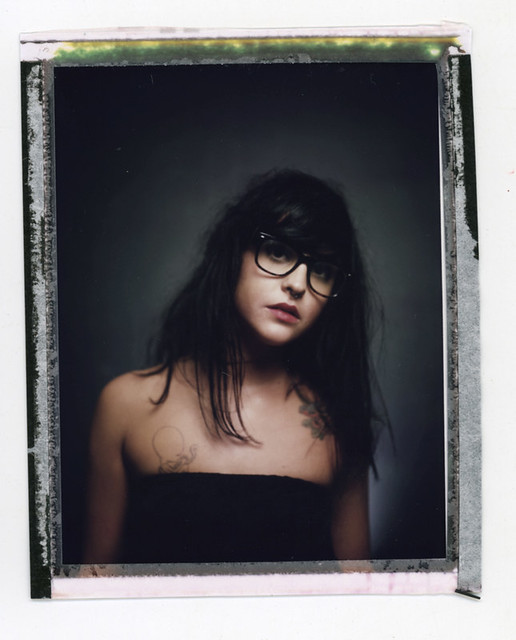
Marc Bordons---西班牙
这张是Polaroid,选它主要是想强调下不同的介质,可以给画面带来完全不同的感觉。
静物:下面三张都没有太过浮华的主体,主要是通过构图,和深思熟虑的曝光来给画面赋予不同的色调,并以此表现各自独特的意境和感觉。
1.

Guy Batey---英国
2.
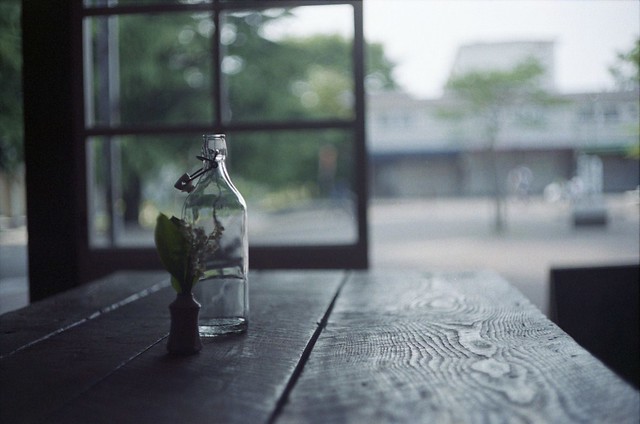
Tetsuya*(Flickr ID)---日本
3.

Phil Bebbington---英国
这幅是广角镜头的另一个应用。
纪实:
1.

Cedric P. Francois---英国
这幅叫Evolution。
2.

Andreas Heumann---英国
3.

Waldo Perez Cino---西班牙
这张给我的感觉更像是德加笔下充满戏剧性的光线转印到了照片上,虽然我觉得这么评论纪实照片不大好:)
珞珈山 27 June 2011
乌鸦大嘴兄委托我做这一期的“月末画廊”,我也很愿意与摄影沙龙的朋友们分享对摄影的热爱,只不过自己对摄影的理解十分局限,事实上除了对landscape photography了解稍多一点外,我对其它摄影类别可以说是一无所知。所以这期的“月末画廊”我只能以风光为主题了。在这里先向喜爱其它摄影类别的朋友抱歉,也希望在下一期的“月末画廊”中能给予补偿。
自然风光摄影一向是各摄影杂志和网站的一大主要内容,比如photo net, 1x, 以及专业摄影师较集中的NPN (Nature Photography Network), 都是如此。从发表在这些地方的作品中,我们都能学到很好的技术并得到新鲜的灵感。 不过,如果从拍摄那些优秀作品的摄影师那里直接了解他们关于摄影的想法和经验, 我们往往能获得一些从作品和书本中所无法得到的有价值的东西。
在过去的两三年中,我有幸能与几个职业和半职业风光摄影师进行一些较为直接的学习和交流,从另一面了解到他们的一些优秀作品的拍摄过程和思考,收益不浅。在这期的“月末画廊”中,我试图向大家介绍三位我个人非常欣赏的风光摄影师。从他们的不同背景所衍生出的对摄影的共同的执着追求及表现出的不同风格,或许对我们有些启发。
这三位摄影师是: Marc Adamus, Floris van Breugel, 和 Leping Zha。也许这里的一些朋友对他们已经有所了解。
在我做这期“月末画廊”时,Marc, Floris 和 Leping都分别给我提供了不少他们关于摄影的背景和信息。Marc和 Floris 还专门寄给我他们的4张大尺寸代表作品, 其中Marc还为每张照片附上了详细的拍摄过程。
Marc Adamus (http://www.marcadamus.com/)
Marc Adamus的摄影风格对我近年来的实践有较大的影响。大约在两年多前,我刚涉及风光摄影不久,从photo net上最初看到他的摄影作品,就感觉到非常的与众不同。后来参加NPN论坛后,更多地了解到他的作品的拍摄过程。Marc的每一张作品几乎都表现出对光的近乎完美的运用。在寻找到理想的构图之后,为了最佳的光线和气候条件,他可以一次次地反复到那些偏远的地点去等待。Marc Adamus 在photo net, NPN 及1x摄影网站发表的作品深受大家的喜爱。他刚刚被1x评为“Photographer of the Month”。他的“War with the Sky” http://1x.com/photo/41462/portfolio/99579#!/photo/41462/portfolio/99579)
也成为1x的所有发表的作品中最popular的作品之一。
P1 A Moment Together
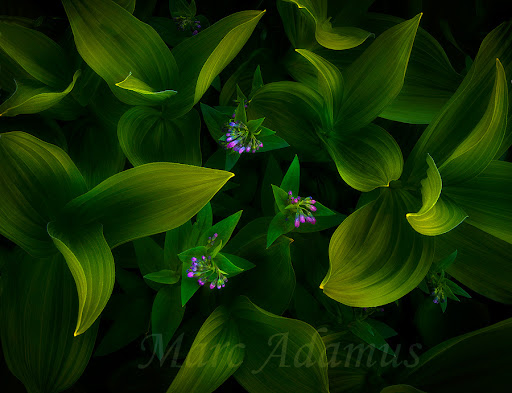
A Moment Together: While backpacking in Nevada's Ruby Mountains, I awoke at camp one morning and wandered down to the stream for water. Nearby, I noticed these Veratrum leaves and Mountain Bluebell flowers growing intertwined. Realizing that the subtle textures and shapes of the leaves combined with the rare addition of flowers might produce a good photo opportunity in soft light, I came back down and scouted around with my camera. After finding this arrangement, I simply waited on the light and snapped the image as it was beginning to emerge over the top of a high ridge across the valley. I used a Canon 1Ds III, 24-105 lens at 40mm and no filters. My post-production work in Photoshop was mainly limited to very careful dodge/burning of highlight and shadow areas to even the light and show off the best forms.
P2 Fireball
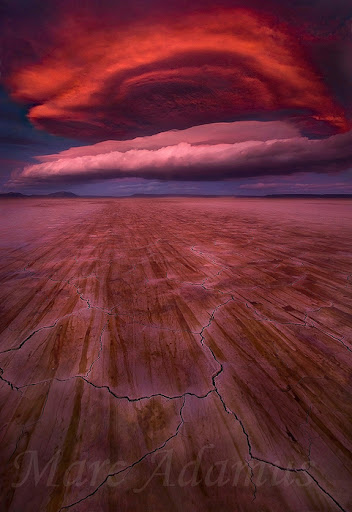
Fireball: We have all probably had times as photographers where we thought the show was over before it even started. Previsualization played a big role in the creation of this photograph. I had scouted around this barren playa earlier in the day, finding cracks and streaks of mud that had blown across it in high winds. Knowing this spot could make for an interesting foreground, I placed a rock there and returned hoping for a good show of sky above the horizon. I returned later and was packing things up getting ready to head back when the most crimson of reds I have ever seen in nature started appearing on the lenticular cloud formation above, nearly 20 minutes after I figured the sun had set! The show only lasted a minute at the most, and I recorded only 5 frames. I used a Canon 1Ds III, 14mm f/2.8 lens and no filters. My work in Photoshop was primarily some subtle dodge/burning and texture/contrast adjustments.
P3 Winter’s Fury
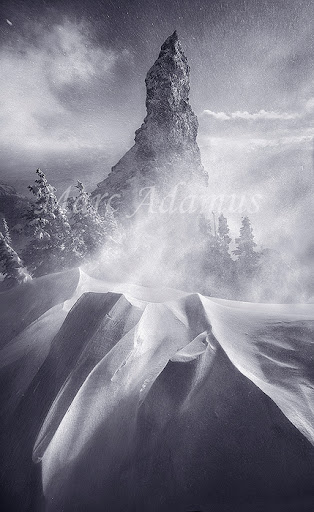
Winter's Fury: While attempting to summit an icy peak high in the Cascade range of Oregon in January I came across this huge Basaltic pinnacle getting blasted by blowing snow in the high winds. Amazed at the power of winter on display, I sat there, huddled in my parka for nearly 30 minutes, firing off shot after shot every time the wind picked up and the light changed. My shutter speeds were fast enough to catch the individual flakes of snow in the air, at between 1/250 and 1/500 of a second. I used a Canon 5D at ISO 400 with no filters to achieve this effect. Out of the hundreds of images I took, I enjoyed this rendition the most. When capturing subjects that are constantly in motion, taking a lot of shots can be the key to success. The most important thing here though, was the fact that my eye was always on photography, no matter the situation. My process in Photoshop was very simple and included a B&W conversion, cool toning and some dodge/burning.
P4 Paradise Forest
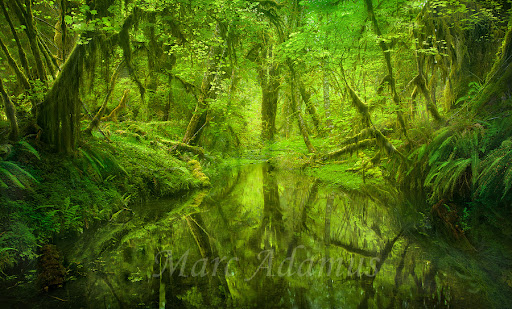
Paradise Forest: Backpacking far into the wilderness is one of my favorite things. The rainforest of the Olympics is a truly special place indeed. Nowhere on Earth have I ever enjoyed such wonderful solitude, energy and spirit of all things living. The rainforest is a very difficult place to photograph though, and although I've spent hundreds of days here I have only a small handful of photos. On this week, days on foot from the trails and roads we had left behind, in the seclusion of the most remarkable paradise of spring colors I have ever witnessed, I stood in this pool reflecting a soft light filtered through the canopy and photographed the scene before me. The image worked well because of the simplicity afforded by the symmetry of the reflections, helping me find an appealing aesthetic in the 2-dimensional medium with which I render my images. Otherwise, the details presented by the forest environment can be overwhelming. I used a Canon 5D II, 24-105 lens at 40mm, polarizing and ND filter to make a 10-second exposure of the scene which I then dodge/burned in Photoshop.
AWARDS/PUBLICATIONS
Select Awards:
* Grand Prize Overall, Banff Mountain Film Festival Photography
* Grand Prize Overall, International Conservation Photography International
* Image of the Year, Nature Photographers Magazine
Select Publications:
* Currently on the Cover of Outdoor Photographer Magazine
* National Geographic Adventure Magazine (inside)
* Cover of National Geographic Guide to the National Parks book
* Cover and inside numerous National Geographic calendars
* Featured artist in Reader's Digest Magazine
* Cover of Digital Photo Magazine
* Numerous photos published in Popular Photography Magazine
* Over 30 different calendar publications worldwide
* Sierra Club Magazine (inside)
* Photo Media Magazine (inside)
* Hundreds of other publication credits worldwide
Floris van Breugel (http://www.artinnaturephotography.com/)
Floris van Breugel 是我初涉摄影时最早接触的一个优秀摄影师。当时对他的那幅“Race with Stars”(http://www.artinnaturephotography.com/photo.php?id=36&gallery=deserts)极为感兴趣,也想尝试拍些星空,时常问他一些现在看来十分可笑的问题,但每次他都会耐心地为我解答。现在想想,对他并不容易。Floris也是向我介绍NPN网站,几个有用的摄影家博客网站,及几个主要的国际自然和野生动物摄影竞赛的第一个人。这让我在摄影实践的初期就能了解一些高水平的摄影师和他们的作品,十分有帮助。
Floris也可能是目前最有成就的非职业风光自然摄影师之一。从下面的 list大家可以看到,他已在一些重要的摄影竟赛中获得了好成绩。与很多风光摄影师不同的是,他的摄影爱好同时在landscape and wildlife,并且会把二者紧密地联系在一起,如下面的这张获奖照片P1。
我最近问过澳洲一个职业风光摄影师对Floris的看法,他认为Floris是个奇才,如果以后Floris取得极大的成就,他一点也不会惊讶。顺面说一下,Floris两三年前还是个PhD学生,也许现在已经毕业了吧,年龄可能还不到30岁。但他的成熟的摄影风格及待人处事的沉稳老练的确让人钦佩。
P1 Life among Giants
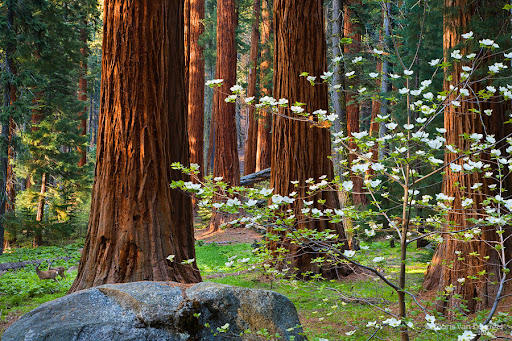
As Spring progresses to higher elevations, the Dogwoods (Cornus nuttallii) amid the giant Sequoias (Sequoiadendron giganteum) in Sequoia and King's Canyon National Parks burst into bloom in late May. These giant white flowers complete the magical forest setting by creating such beautiful contrasts. On the afternoon that I took this photo I was particularly lucky to have two mule deer (Odocoileus hemionus) enter the meadow as the afternoon light revealed the forest's depth.
P2 Plant Oils on Water

Natural iridescent plant oils from decaying leaves coat the surface of this little pool of water, resulting in a kaleidoscope of colors. The surface layer is very fragile and cracks with the slightest movement of water, in this case likely due to the motion of the cottonwood leaf floating in the colorful soup. I found this little scene in Utah's Escalante National Monument.
P3 Tidal Secrets
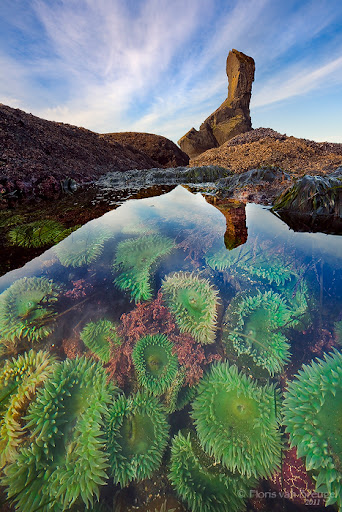
A particularly rich tide pool full of sea anemones I found along the coast of Washington's Olympic National Park during a very low tide.
P4 Christmas in Yellowstone

A skier (my father) glides past an erupting geyser in the Old Faithful geyser basin in Wyoming's Yellowstone National Park. The cold temperatures in the winter cause the geysers to release more steam than usual, making for a dramatic and magical sight.
Awards
2010 - BBC Wildlife Photographer of the Year, highly commended (wild places)
2010 - Nature's Best, highly commended (plant life)
2010 - Center for Fine Art Photography, 'Motion Exhibition'
2009 - BBC Wildlife Photographer of the Year, runner-up (animals in their anvironment)
2009 - BBC Wildlife Photographer of the Year, highly commended, (wild places)
2009 - BBC Wildlife Photographer of the Year, highly commended, (in praise of plants)
2009 - Editor's Pick, 5 times, Nature Photographer's Network (now a moderator)
Publicationsublications
2011 - Terra Magazine (feature article)
2010 - Geo International Magazine
2010 - Natur Foto Magazine (feature article)
2010 - Geo Magazine
2010 - Living Bird Magazine (feature article)
2009/2010 - Digital Photo Magazine UK
Leping Zha (http://www.lepingzha.com/)
我知道Leping这个人远远早于知道他的摄影,不仅是因为我们毕业于同一大学,更因为我,我妻子和Leping的弟弟曾同在一个系学习,而且我妻子与其弟是同班同学。涉足风光摄影之后,Leping的黄山摄影作品自然是最先由好友介绍给我的。因该说,我现在的黄山情怀源自于Leping的作品。
在我有了几次黄山摄影经历之后,我很快体会到,作为一名长期生活在海外的非职业摄影者,要拍摄出黄山的真正的神韵和内涵来,如果没有发自出内心的热爱和投入,是无法做到的,而Leping做到了。的确如我想象的那样,据Leping告诉我,在没有相机的少年时期,他就9上黄山,对黄山的情节那时就萌发在心中。到后来,黄山摄影已成为他生活中的一个重要部分。通常,他一次就在山上住20-30天,这期间祈望着遇上1,2天的拍摄佳境。
近年来,Leping逐渐将更多的精力用于拍摄一些人文社会题材,但他那些优美的黄山摄影作品依然是我学习的典范。他的黄山情节也依然不变,正如他写给我的email中所言:“I have changed my mentality quite a bit now even I am still one of the die heart 黄山情结er.”
P1 After Storm
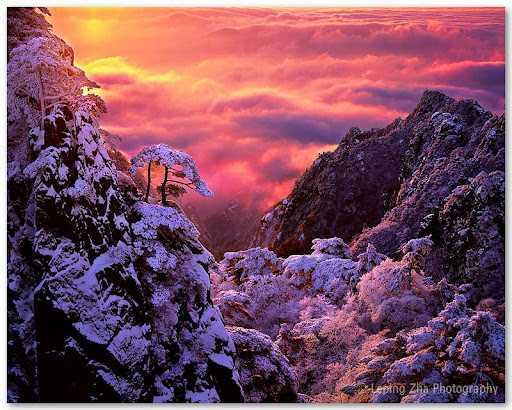
P2 Out of Fog
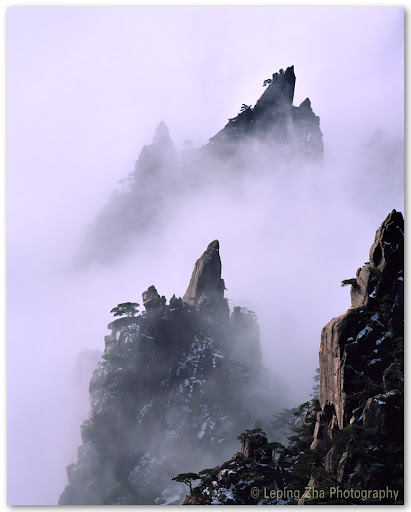
P3 Phoenix Pine
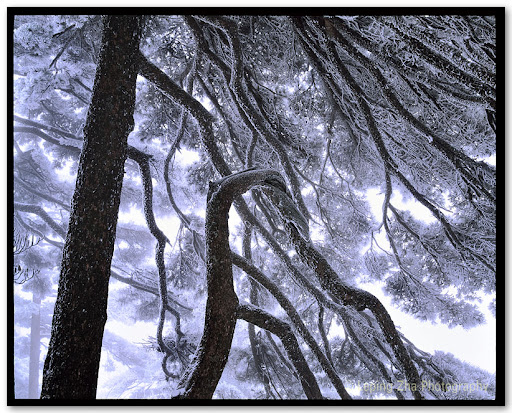
P4 Sunrise Spetacle
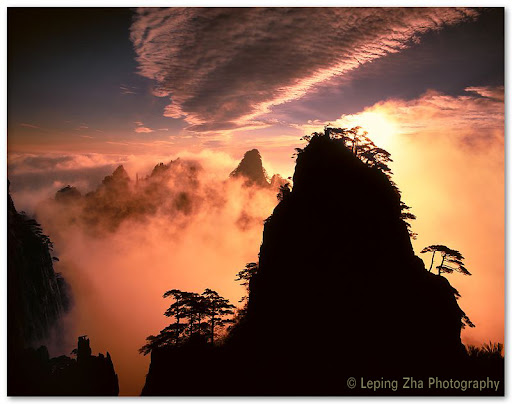
Experience and Achievements
Leping Zha has learned from masters including David and Mark Muench, Charles Cramer, Bill Atkinson, John Shaw, Richard Garret, Charles P. Farmer, Richard Lohmann, Yuntian Yu, and John and Barbra Gerlaches. Combining well balanced composition, quality lights, and strong use of color with ultimate attentions to fine technical details, Leping's work has earned numerous regional, national, and international awards. This includes the 2000 Cemex International Photography Awards and the Grant Prize of Earth Day 2000 Photo Competition "The Ultimate Image of Earth", displayed in local and national galleries and museums including the Smithsonian National Museum of Natural History, Washington D.C. His images have been selected for book and national photographic magazine covers, and appeared in numerous books, calendars, and magazines, including Nature's Best, the Chinese Popular Photography, and Nature Photographer, to which he has been a field contributor since 2001. In August 2001, he was awarded the "Artist of Year" title in San Mateo County, California. He received two Founder's Awards, one for the best color print and one for the best slide, in PhotoClave in November 2001, and "Best of Show", Gold and Silver print award in San Mateo County Fair 2001 and 2002. His on line portfolios was voted number one at photo.net in 2002, after their uploading to the prominent internet website. Recently, four of his color prints were selected for the Advertising Photographers of America (APA) 2003 photo exhibition of top 100 prints in San Francisco and appered in the Photo District News (PDN), the prestigious New York City professional magazine. Leping Zha has also contributed series of images to The AVA Guide to Travel Photography with Kaith Wilson, the founder of the British Outdoor Photography magazine authoring, as well as to An Immortal Heritage, a grand collective book of works from the best 140 Chinese landscape photographers, both published in late 2004. Recently, Leping Zha's infrared black and white portfolios has appeared in the Camera Arts magazine, and received the Black and White magazine's Excellence Award (August 2008 issue).
wenxuecity